April 20, 2026
Understanding the common issues related to electrical outlets and switch failures is crucial for maintaining a safe and functional home environment. This article explores the key factors behind these issues, including wiring problems, circuit overload, and component wear over time. Proper electrical maintenance plays an important role in supporting both safety and efficiency in residential systems. With increasing household energy demands, maintaining dependable electrical performance has become even more important. According to The Business Council for Sustainable Energy, U.S. electricity demand rose 2% year over year in 2025, the first notable increase in decades, and was up 8% over the past decade. Below, we break down common causes of outlet and switch issues, the general process used to address them, and when professional electrical support is recommended. Electrical repairs are often required when these issues arise in residential systems. It is helpful to understand how these issues can appear gradually over time before becoming more noticeable.
Common Causes of Electrical Outlet and Switch Failures
Electrical outlets and switches can fail for a variety of reasons. One of the most common causes is circuit overload, which occurs when electrical demand exceeds the capacity of the circuit. This can lead to overheating and inconsistent power delivery, often requiring electrical repairs to restore safe operation. Faulty or aging wiring is another frequent issue, particularly in older homes where insulation may degrade over time or connections may loosen, sometimes resulting in electrical repairs being necessary. These conditions often develop slowly, making them easy to overlook until performance issues appear.
Wear and tear is also a major factor, especially in outlets and switches that are used frequently. Internal components can gradually deteriorate, leading to intermittent function or complete failure. Loose electrical connections may also develop over time, impacting dependability and potentially creating safety risks if left unaddressed and leading to electrical repairs being needed to correct the issue. These small changes in performance can often be the first indication that attention is needed.
Moisture exposure is another important concern. Electrical components installed in areas such as bathrooms, kitchens, or exterior walls may be more vulnerable to humidity or water intrusion. In these environments, protective measures and proper outlet types are typically used to reduce the risk of damage and maintain safe operation. When moisture damage occurs, electrical repairs are often required to restore safe functionality. Even minor exposure over time can contribute to long-term wear on components.
Safe Electrical Safety Considerations in Electrical Repairs
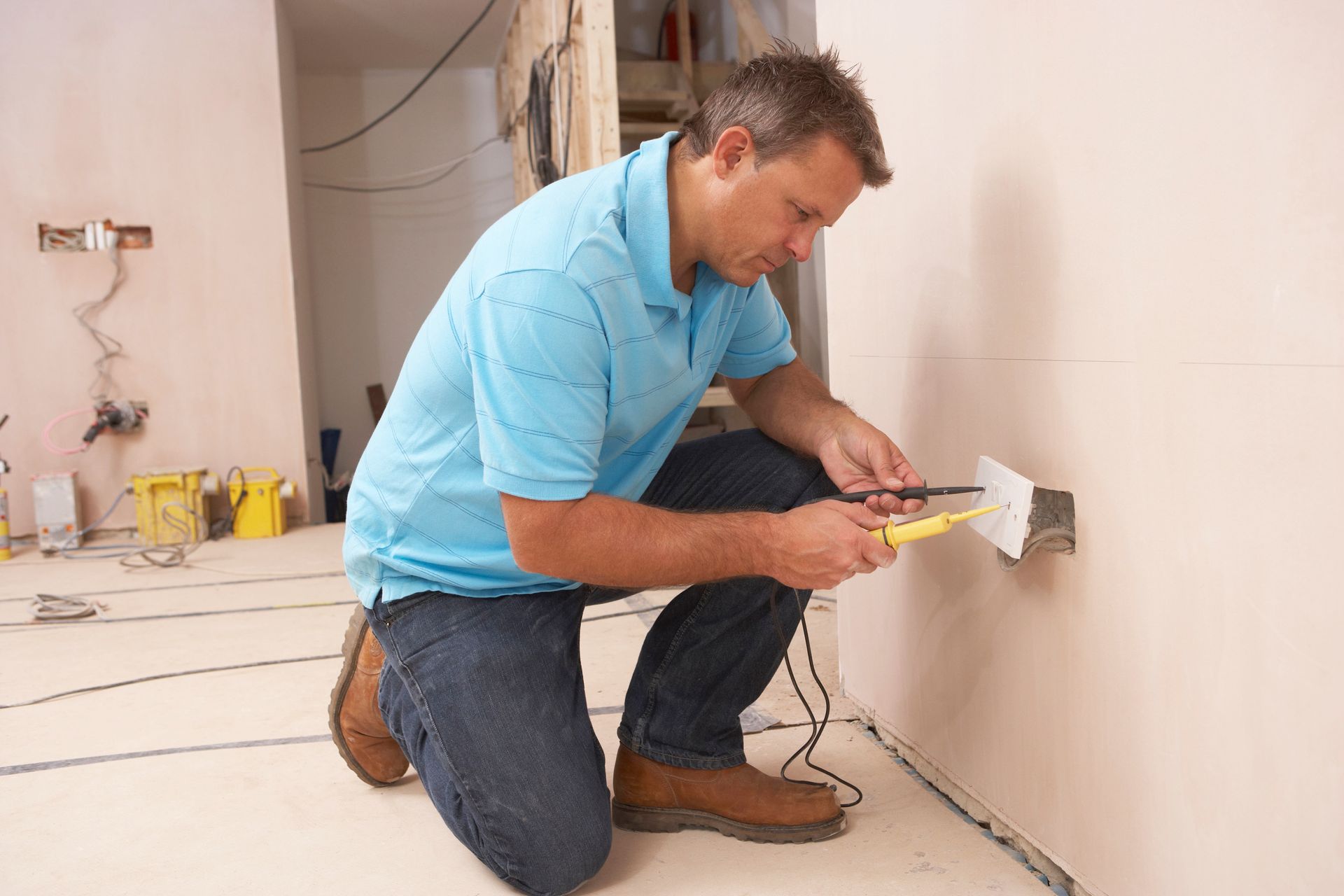
Electrical work requires careful attention to safety at all stages. A key part of safe electrical maintenance involves ensuring circuits are not energized before any inspection or repair activity begins. Verification using appropriate testing methods is an important step in confirming that electrical current is not present and helps prevent situations that could require emergency electrical repairs. These precautions are a standard part of responsible electrical work practices.
Professional electricians also rely on insulated equipment and protective gear to reduce exposure to electrical hazards. These safeguards help minimize risk when working near wiring, panels, and connected devices. Proper safety practices reduce the likelihood of faults that could result in additional electrical repairs later on, supporting long-term system stability. Consistent procedures help maintain safe working conditions across different types of electrical systems.
Another important safety factor involves recognizing when an issue calls for professional attention. Electrical systems can involve complex wiring configurations, and improper handling may lead to further damage or safety risks. Persistent or unclear electrical issues should always be evaluated by a qualified professional to ensure proper diagnosis and resolution through appropriate electrical repairs when needed. Taking the right approach early can help prevent larger system concerns.
Efficient Tools Used in Electrical Repair Work
Electrical repair and maintenance typically require specialized tools designed for safe diagnosis and component handling. Diagnostic equipment is used to determine whether circuits and outlets are functioning correctly and to identify faults within the system that may require electrical repairs. These tools help ensure accurate assessment of electrical conditions.
Hand tools such as screwdrivers, pliers, and wire-handling tools are commonly used to access electrical components and manage wiring connections. These tools are selected based on the specific requirements of the repair or installation being performed, including electrical repairs that involve replacing or adjusting faulty components. Their proper use supports efficient and controlled work.
Additional materials such as insulating products are used to secure and protect electrical connections. Together, these tools allow electricians to complete electrical repairs accurately while maintaining system safety and a responsible approach to long-term system performance. Proper tool selection also contributes to consistent outcomes across different types of service work.
Careful Outlet Repair Evaluation and Resolution Process
When an outlet is not functioning properly, the issue is first evaluated to determine the underlying cause. This may involve checking for power delivery issues, internal outlet failure, or wiring concerns within the circuit. Identifying the source of the problem is essential before any corrective electrical repairs are performed. A careful evaluation helps guide the next steps in the process.
Once the issue is identified, the affected outlet and surrounding connections are inspected for signs of wear, damage, or looseness. If necessary, components may be replaced to restore proper electrical function through electrical repairs that address the root cause of the issue. This step helps ensure the system is brought back to consistent performance.
After corrective work is completed, the outlet is tested to confirm consistent power delivery and proper operation. Final verification ensures the system is functioning safely and as intended following the completion of electrical repairs. This final step helps confirm that everything is operating as expected.
Precise Switch Repair Evaluation and Resolution Process
Switch-related issues are evaluated by first determining whether the switch is receiving proper electrical power and whether it is responding correctly during operation. Common indicators of failure may include inconsistent performance or lack of response, often signaling the need for electrical repairs. These signs help guide the diagnostic process.
The switch assembly and its wiring connections are then examined for signs of wear, damage, or connection issues. If a component is found to be faulty, replacement may be required to restore proper function through electrical repairs performed by a professional. This ensures the system continues to operate in a responsible and consistent manner.
Necessary Professional Electrical Support Considerations
Some electrical issues require professional evaluation due to their complexity or potential safety risks. Situations involving repeated electrical failures or persistent power disruptions should be assessed by a qualified electrician, as these often require electrical repairs to resolve underlying system problems. These situations benefit from careful professional attention.
Warning signs such as unusual odors near outlets or switches, visible discoloration, or frequent circuit interruptions may indicate deeper electrical problems within the system. These issues require careful diagnosis to prevent further damage or safety hazards and may result in necessary electrical repairs. Early attention can help reduce the likelihood of ongoing issues.
When electrical concerns cannot be clearly identified or resolved through basic inspection, a professional assessment ensures the system is properly evaluated and brought back to a safe operating condition through appropriate electrical repairs. This helps maintain overall system performance and a responsible approach to ongoing maintenance.
Dependable electrical performance depends on accurate troubleshooting, proper repair methods, and ongoing attention to system condition over time. In residential environments, these types of issues are typically addressed by trained professionals who work to keep electrical systems operating safely and efficiently. For homeowners looking to learn more about support for outlet and switch concerns, inspections, wiring, and general electrical service needs, Fresh Start Electrical offers residential electrical services focused on maintaining dependable home electrical systems. Small details in maintenance and awareness often make a meaningful difference in long-term performance.